

Upgrading your home’s functionality often starts with the smallest details. Whether you are mid-renovation or replacing a squeaky pivot, understanding the nuances of hinges and hardware is critical for long-term durability. Buying online offers unparalleled variety, but it also requires a keen eye for technical specifications. Choosing the wrong component doesn’t just lead to a lopsided door; it can compromise your home’s security and the structural integrity of your door frames.
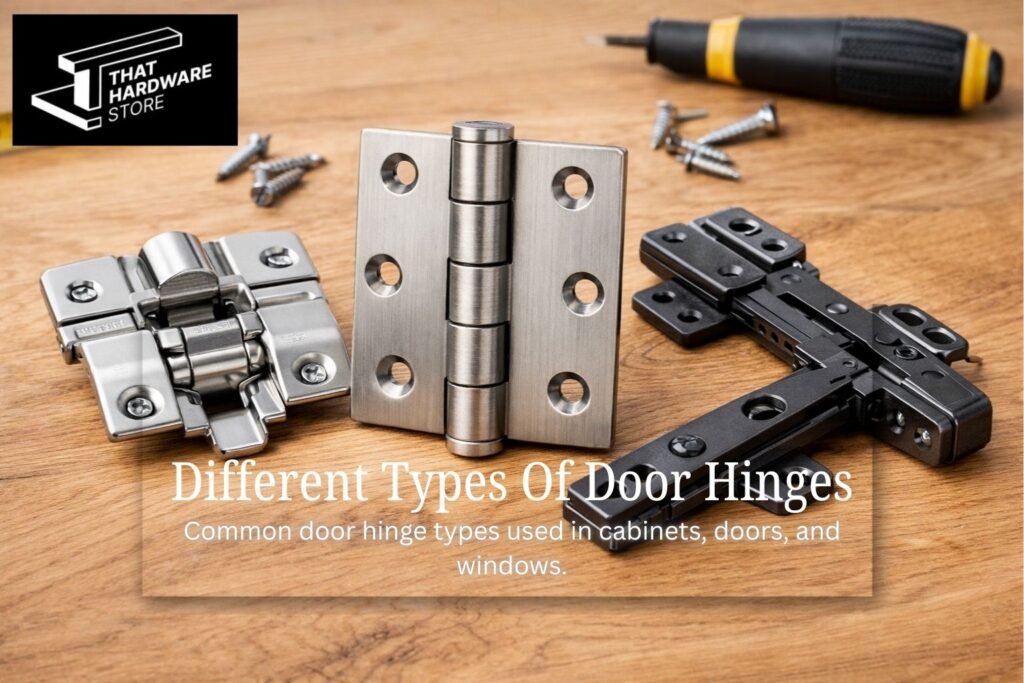
1. Determine the Hinge Type and Application
Not all hinges are created equal. Before adding anything to your cart, identify the specific needs of your door.
Butt Hinges: The most common type for residential doors, consisting of two identical leaves.
Ball Bearing Hinges: Ideal for heavy, solid wood doors or high-traffic areas, as they offer smoother rotation and reduced friction.
Concealed/European Hinges: Often used for cabinetry or modern minimalist doors where you want the hardware hidden.
Strap Hinges: Best for gates or rustic barn doors where the hardware is a visible design element.
2. Material and Finish: Durability Meets Aesthetics
Since you cannot feel the weight of the metal through a screen, pay close attention to the material description.
Stainless Steel (Grade 304 or 316): The gold standard for rust resistance, especially for exterior doors or bathrooms.
Solid Brass: Offers a premium feel and natural corrosion resistance, often found in luxury architectural hardware.
Mild Steel/Iron: Cost-effective for interior rooms but requires a quality powder coating or plating to prevent oxidation.
Pro Tip: Match the finish (Satin Nickel, Antique Brass, or Matte Black) with your existing door handles and tower bolts to ensure a cohesive interior design.
3. Weight Capacity and Load Bearing
One of the most common mistakes in online shopping is ignoring the “Load Rating.” A standard hollow-core interior door is light, but a solid teak or designer flush door requires heavy-duty hinges.
Always check the product description for the maximum weight capacity. Typically, a set of three hinges is recommended for doors over 7 feet tall or those exceeding a specific weight threshold. Using undersized hardware leads to “door sag,” which eventually damages the floor and the latch mechanism.
4. Size and Measurements
Accuracy is non-negotiable. When buying replacements, measure your existing hinges’ height, width, and thickness using a digital caliper or a standard ruler.
Height: Common sizes include 3 inches, 4 inches, and 5 inches.
Width: Measured when the hinge is “open” and flat.
Corner Radius: Check if your door has square corners or rounded corners (usually 1/4″ or 5/8″ radius). Buying a square hinge for a rounded mortise will require extra chiseling work.
5. Frequency of Use (Cycle Rating)
In the world of architectural hardware, cycle ratings matter. A front entrance door is opened dozens of times a day, whereas a guest room closet might be opened once a week. For high-frequency doors, look for “frictionless” or ball-bearing options that are rated for hundreds of thousands of cycles. This ensures the pin won’t wear down or produce black dust over time.
Understanding Technical Specifications
| Feature | Importance | Recommended For |
| Non-Removable Pin (NRP) | High (Security) | Outswinging Exterior Doors |
| Finial Type | Aesthetic | Traditional or Vintage Decor |
| Leaf Thickness | Structural | Heavy Security Doors |
6. Security Features for Exterior Doors
If you are purchasing hinges for an outswinging exterior door, security is a major concern. Because the hinge pin is exposed to the outside, an intruder could theoretically pull the pin and remove the door.
Look for hinges with a Non-Removable Pin (NRP) or security studs. These features lock the leaves together even if the pin is tampered with, providing an essential layer of protection for your property.
7. Shipping, Returns, and Brand Reputation
When sourcing hardware online, the “deals” can sometimes be too good to be true.
Check the Return Policy: Metal hardware is heavy. If you order the wrong size, return shipping can be expensive. Ensure the seller offers a clear return or exchange window.
Brand Reliability: Opt for reputable manufacturers known for precision engineering. Brands that provide detailed CAD drawings or installation guides on their listings are generally more reliable.
Bulk Discounts: If you are renovating an entire floor, look for “contractor packs” to save on the per-unit cost.
Conclusion
Buying door hinges online is efficient and cost-effective if you approach it with a checklist. By verifying the material grade, measuring the corner radius, and accounting for the door’s weight, you can ensure a seamless installation. High-quality hinges are a silent investment—when they work perfectly, you never notice them, but they keep your home moving smoothly for decades.
if you are looking for a trusted place to purchase, just buy best hinges and hardware online.